 East London News A Force for the community…
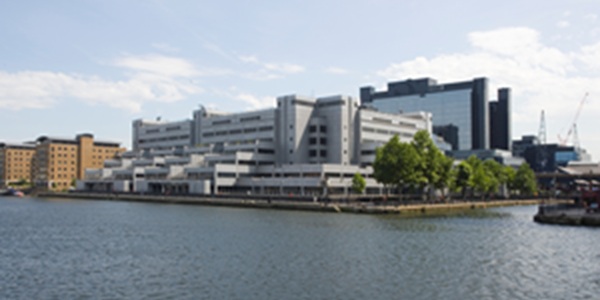
GOOD NEWS! Tower Hamlets Council has signed a ten-year lease on four empty office blocks on Marsh Wall, on the Isle of Dogs. It’s going to convert them into temporary accommodation.

Mayor Lutfur Rahman
There are many reasons why this is such good news – but we’ll let Mayor Lutfur Rahman have the first word. “By bringing these buildings into council use,” he said, “we have an opportunity to create around 180 family-sized homes and provide better accommodation for local people who need it most. This investment will help us reduce our reliance on costly nightly paid accommodation and more importantly will help more families remain in Tower Hamlets and close to their support networks.”
Why office blocks?
There aren’t any homes available on such a scale. The owners of office blocks just want to rent the rooms in their building out: it doesn’t really matter if it is workers or residents who rent them. Approaching office block owners is a example of the kind of innovative, lateral thinking that the Town Hall Administration is known for.
It isn’t easy to convert office blocks into accommodation. Offices are not as heavy as homes, so office blocks are usually built to lower standards – fit for purpose, but not fit for a different purpose. In offices, utilities – toilets, handwashing facilities and kitchenettes – are usually grouped together, at the centre or sides of each floor. This is a very different pattern from residential blocks, which need toilets and full bathrooms and kitchen in as many places as there are flats on a floor.
There are also safety standards – fire regulations and cladding as a minimum – to consider, standards which may be stricter for residential property. Infrastructure is also an issue: are the properties near shops? Can the local health, transport and schools cope with the extra local need? Presumably Tower Hamlets Council has a plan to deal with all these matters.
Why “temporary” accommodation? What about those looking for a permanent home?
It’s mostly about the money. There certain categories of homeless people – pregnant women, parents with children, old people, disabled people – whom the Council must house, by law (the “statutory homeless”). As the Council does not have spare permanent homes to put them in, it has to put them in temporary homes – and in East London, that is really expensive. Councils are forced to rent homes from private landlords, who charge way more than those who move in can afford to pay.
The cost of renting these temporary homes, even though the homeless household’s rent covers some of it, really drains Council’s housing funds – especially in Tower Hamlets. Leasing blocks of temporary accommodation such as the blocks in Marsh Wall, will bring costs down – freeing up more money to spend on other aspects of housing, such as more permanent homes.
…
The Council’s press release says that the Cabinet approved the proposals to lease the Marsh Wall offices on 21st October. This is strange, as the Cabinet is an advisory body and does not have decision-making powers. The Council has delegates almost all of its powers to the Directly Elected Mayor, but not to Cabinet. The Mayor often takes decisions at Cabinet meetings: these are referred to decisions of “the Mayor in Cabinet”, but they are not decisions of the Cabinet.
There are currently over 3,100 households in temporary accommodation, of which some 2,700 are families (the Council has not explained what counts as a “family”). That number is increasing by around 11% per year. That increase in need calls for an increase in supply of housing – and it’s looking like Mayor Lutfur Rahman is putting a high priority on doing just that.
●Read more about it:
Mayor Lutfur Rahman’s housing plan moves forward
Mayor Lutfur Rahman wins battle for affordable housing