 East London News A Force for the community…
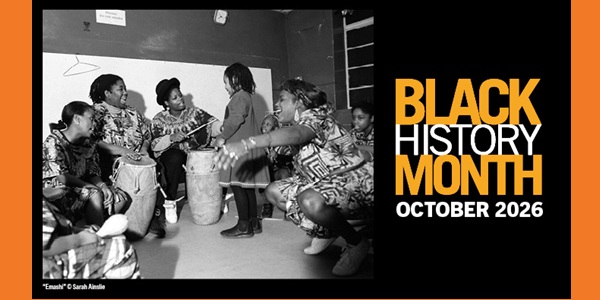
OCTOBER IS Black History Month, and Tower Hamlets Council has put together a programme of free events and activities to celebrate, learn and enjoy – but has the Council been proactive, or is it just compiling listings?
Some events are in Council venues, such as “Communities of Liberation: Discover Black East London” at Tower Hamlets Local History Library on Tuesday, 13th October, from 11am-4pm. This is an exhibition put together by the library, working with local residents to show Black life in Georgian East London. There will also be an Afro-Caribbean marketplace there. The Library is also hosting a workshop on 17th October.
Some local venues are hosting one-off events or a short series of events, such as St Margaret’s House in Old Ford Road (dance), Tower Hamlets Cemetery (walk and talk about Zilpha Elaw), Whitechapel Art Gallery (Somali craft, knitting, crochet), Oxford House (Open Mic Nights, flower-making and mending workshops), Flower & Dean Community Centre (part of the Big Draw Festival), Granby Community Hub, Bethnal Green (Somali heritage and craft).
However, the lion’s share of activities are being run by Poplar Harca in one of their community centres or other properties they own or manage around the south-east of the borough. Poplar Harca is not just a housing association. Its terms of reference require it to take charge of regeneration in its area. Some residents would probably put up with fewer community events if they could get a bit more progress on issues such as the long-promised regeneration of Chrisp Street market.
Some of the Harca events are taking place on a narrow boat which is visiting Poplar Union, one of Harca’s community centres. The boat is a floating community venue run by the Canal and Rivers Trust, which also owns the pedestrian area around Millwall Dock. Residents of the Isle of Dogs have been trying to get the Trust to do basic maintenance on the footpaths and to maintain the life belts around the docks for years. They even brought a petition to the Council about the issue. The Trust said it was a charity and didn’t have enough money to maintain its land, and it would prefer the Council to maintain the area. It is not known what progress, if any, has been made on this issue, but residents might be surprised to hear that there is enough money to fund a floating community centre but not to repair paving stones.
The Black History Month events listed by Tower Hamlets Council are mainly cultural rather than historical – although, of course, there is an overlap. Although one of two of them mention women, there is nothing dedicated to the experience of Black women in the borough or the east end. Did the Nari Centre not want to do something about this? There is also no mention of Black LGBTQ+ lives in the area at all – and there must be stories to tell.
Tower Hamlets used to be home to the second largest Somali population in the UK, with around 10,000 Somali residents. Now it seems to have the eighth highest proportion of Somali residents in England, with just over 6,000 residents. The borough had its fair share of Windrush immigrants. The events listed seem, mostly, to be fun – but at the same time they seem to be somewhat superficial and polite, forming a Month with little co-ordination or sense of what the various Black communities have brought to Tower Hamlets. Perhaps the Council could start thinking about next year’s events now, and work with local communities to develop a more innovative approach for next year.
●For more information about Black History Month in Tower Hamlets, go to:
Black History Month in Tower Hamlets
●Read more about it:
Tower welcomes first black Beefeater in history
Exhibition celebrates early Black African East Enders